IFS for Sikh Trauma Healing: Holding the Wounded Child with Naam and Compassion
- Everything IFS

- Nov 29
- 2 min read
Updated: 3 days ago

In Sikhism, compassion (Daya) and remembrance (Naam Simran) are sacred medicines of the soul. They are not distant ideals, but living energies that return us to our center when we’ve been scattered by pain.
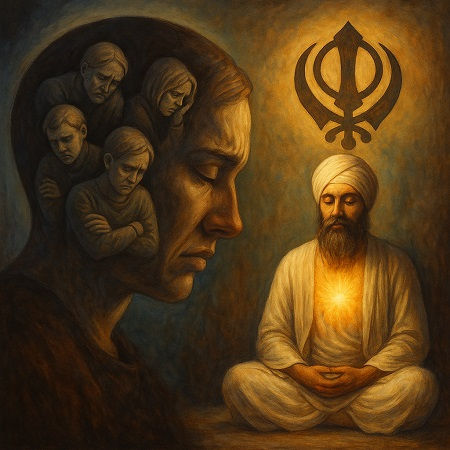
The Internal Family Systems (IFS) model speaks this same language through a different doorway. It invites us to meet our wounded inner parts, the forgotten children within, with the same patience, gentleness, and reverence that Sikh teachings describe as divine love.
Trauma fragments us. It teaches the mind to divide, one part holding the pain, another guarding against it, another pretending everything’s fine.
IFS helps us recognize that these are not flaws, but intelligent survival patterns.
Sikh wisdom has always known this truth, that every action born of fear is still, somewhere beneath, a cry of the soul to return to oneness.
In IFS, we call the most deeply hurt parts exiles. They are like children who were left behind in moments of suffering. Instead of forcing them to heal, we approach them with what Sikhism calls Seva, selfless compassion. We do not demand that they open. We sit with them in stillness, just as Naam asks us to sit in remembrance. Sometimes these inner children are not ready to be held. They may fear love, resist prayer, or distrust safety. Sikhism understands this too, the Guru never forces transformation. Naam works slowly, at the pace of the heart. Healing unfolds through patience, presence, and humility.
When we turn inward with compassion, we begin to notice the protectors that guard these wounds. They might show up as
anger,
numbness,
avoidance, or
cynicism,
the modern faces of the Five Thieves. Sikh teaching does not condemn these reactions; it meets them with understanding. The same energy that once protected us can be transformed through remembrance and gentleness. IFS guides us to befriend each protector until it feels safe enough to rest, allowing the exiled child to be seen and soothed.
Naam, in this context, becomes more than prayer. It becomes an internal practice of holding, repeating the truth of divine presence to the places in us that have forgotten it. When a traumatized part begins to feel that presence, not as a command but as a steady warmth, something begins to soften. The child that once hid in darkness feels the light again. This is what IFS calls Self-energy, the inner state that radiates calm, compassion, and courage. It is also what Sikhism calls Jot, the divine flame within every being.
Healing trauma in a Sikh context is not about erasing the past. It is about transforming our relationship to it.
Through IFS, we become witnesses rather than prisoners of our pain.
Through Sikh practice, we remember that every breath, every memory, every wound, can be touched by Naam.
The two paths meet beautifully here, both call us to bring love where fear once lived.
As we hold the wounded child with compassion, the same way the Guru holds us, our spiritual center is restored. The walls between the sacred and the psychological dissolve. We realize that healing is not about becoming something new. It is about remembering what has always been true, that beneath every scar, beneath every protector, there is still divine light, waiting to be known, waiting to be loved.


Comments