Simran as a State of Self: Meditation, Inner Stillness, and Internal Leadership
- Everything IFS

- Nov 28
- 3 min read
Updated: 3 days ago

In Sikhism, Naam Simran is the sacred act of remembering the Divine, not through repetition alone, but through a full return of awareness to its Source.
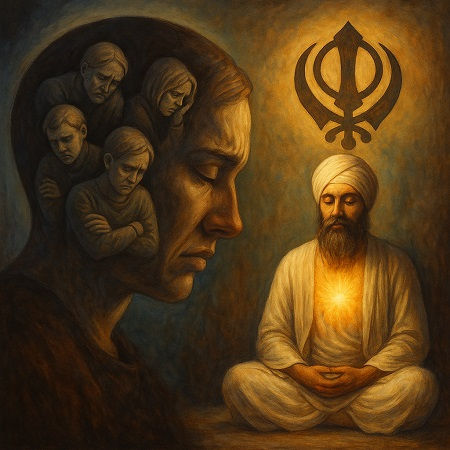
In IFS, this same return is called Self-leadership, the process of unblending from the inner parts that carry fear, shame, and striving so that the calm, compassionate Self can lead
Both paths invite us to rest in stillness, to stop reacting, and to remember who we truly are beneath the noise of the mind.
When the Guru teaches Simran, it is not only the tongue that repeats the Name, it is the mind, heart, and breath aligning in remembrance.
When IFS invites us to unblend, it is not only the intellect that steps back, it is the entire system finding spaciousness again.
In both, the movement is inward, gentle, and relational. It is the moment when the anxious, angry, or hurting parts begin to realize they are not alone; there is something within them, Self, or Naam, that is vast enough to hold everything.
Think of the moments in life when your mind feels scattered: a part of you wants to stay calm, another wants to fight back, another just wants to disappear. In IFS, this is a sign that we’ve blended with our parts. In Sikh wisdom, it is the mind caught in Maya, spinning in illusion. Simran becomes the bridge back — not by forcing silence, but by softly returning to the remembrance of the One. Each repetition of Naam is like telling our parts, You don’t have to carry this alone. There is presence here. There is peace here.
IFS gives language to what Sikh mystics have lived for centuries. The Self in IFS, calm, connected, compassionate, courageous, clear, mirrors the state of the Gurmukh, whose mind is led by the Guru’s light. Just as Simran quiets the mind so the soul can hear, unblending allows Self to emerge so the system can heal. Both describe the same phenomenon: the moment when we stop fighting within and begin leading from love.
Practically, this can be experienced in simple, integrated ways. Before starting Simran, pause and notice the parts of you that are restless or resistant, the ones that say, I can’t focus, or I don’t feel anything. Rather than pushing them aside, silently greet them: You are welcome here too. Then begin your recitation or meditation, not to escape your inner world but to include it.
As you hold Naam in your awareness, allow its vibration to touch each part gently.
Let the fearful part feel its warmth.
Let the tired part rest in its rhythm.
This is Self-led Simran, not an effort to rise above, but an invitation to bring everything home.
Both IFS and Sikhism affirm that true meditation is not a technique, but a relationship. It is the relationship between the Divine and the human, the Self and the parts, the Gurmukh and the mind. Simran is not about erasing thought; it is about leading thought with presence. It is the same inner leadership IFS calls Self-energy, where the divine resonance within calms the inner storms without command or control.
To live in Simran, then, is to live Self-led. It is to walk through the world remembering: the Divine does not demand perfection. It asks for awareness. When we rest in that awareness, our parts soften, our minds grow quiet, and the line between healing and devotion disappears. There is no longer “me and my practice” — there is only the gentle hum of Naam moving through everything, guiding us home.


Comments