IFS for Sikh Families, Healing Trauma, Conflict, and Communication Through Compassion (Sikh)
- Nov 27, 2025
- 2 min read
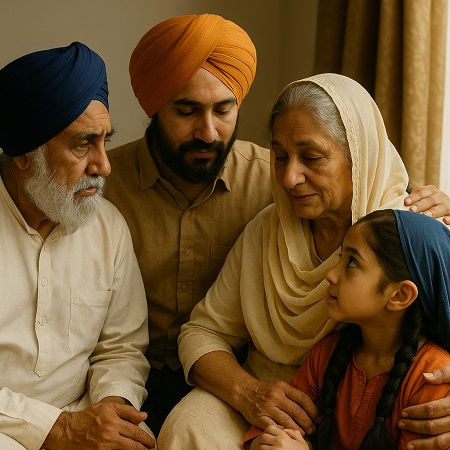
Understanding the Sikh Family System
Sikh families are known for warmth, loyalty, and deep interconnection. Yet those same bonds can also carry pain. Intergenerational trauma from migration, social pressure, or events like 1984 often lingers silently in families. Patterns of duty, silence, and sacrifice sometimes hide unspoken hurt.
Internal Family Systems offers a way to bring compassion into these hidden spaces. It helps families understand that behind every harsh word or emotional wall is a part trying to protect the person from old pain.
Seeing Family Conflict Through the IFS Lens
In Punjabi households, it’s common for parents and children to clash over expectations, roles, or tradition. What looks like disrespect or control is often fear in disguise.
A parent’s controlling behavior may come from a part terrified of dishonor or failure.
A child’s rebellion may come from a part desperate for autonomy after generations of survival-driven conformity.
IFS allows each voice to be heard with respect. When a family member speaks for their parts instead of from them, compassion grows.
“I have a part that feels afraid when you don’t follow our customs” opens far more space than “You’re being disrespectful.”
Healing Intergenerational Trauma
Many Sikh families carry collective memories of loss, persecution, or migration. These wounds can echo silently through generations as anxiety, perfectionism, or emotional distance.
IFS offers tools to meet these inherited burdens.
A father might notice the part that constantly worries about reputation.
A mother might meet the part that feels she must never rest.
As they bring Self-energy, calm, curiosity, compassion, these parts begin to release the pain they inherited.
The family begins to remember that behind all these patterns lies love, not failure.
Cultural Communication and Compassionate Dialogue
Punjabi culture values respect for elders, but this can make emotional vulnerability difficult.
IFS gives language that bridges this gap without dishonoring tradition.
Instead of arguing, family members can learn to pause and say:
“A part of me feels hurt right now.”
“Can we take a breath together before we respond?”
“Let’s invite Waheguru’s presence before we continue.”
When Self leads, tone softens. When compassion enters, listening deepens.
This is not a Western idea forced into Sikh life, it is a return to Sikh virtues of dayā (compassion), nimrata (humility), and prem (love).
Creating Harmony in the Home
Healing in Sikh families is not about perfection or agreement—it’s about presence.
When one person begins to lead from Self-energy, the entire household shifts.
Children feel safer.
Parents feel understood.
Spouses rediscover gentleness.
IFS offers a map for emotional honesty that aligns beautifully with Sikh teachings:
Every part of us deserves love.
Every voice deserves to be heard.
And through awareness and grace, every wound can return to light.
Comments