Greed (Lobh): The Part Driven by Fear of Lack
- Nov 27, 2025
- 3 min read

In Sikh teachings, lobh—greed—is one of the Five Thieves that clouds the heart. It blinds us to contentment (santokh) and makes us chase more than we need.
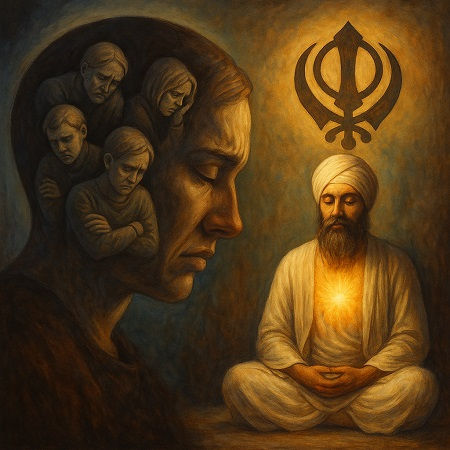
Yet, when seen through the lens of Internal Family Systems (IFS), greed is not simply a moral flaw. It is a part of us carrying fear, often fear of scarcity, abandonment, or unworthiness. It hoards, grasps, and clings not because it is evil, but because it is afraid.
When Sikh insight and IFS understanding meet, a deeper compassion awakens. You begin to see that greed is not the enemy of the soul; it is a frightened protector trying to keep you safe in a world that once felt uncertain.
1. What Greed Is Really Protecting
In Gurbani, lobh is described as a chain that binds the soul. But in IFS, we pause and ask: why is this part clinging so tightly? Usually, a “greedy” impulse is protecting a younger, scared part that once felt deprived or unseen.
That deprivation could have been material, poverty, loss, insecurity, or emotional, such as a lack of love or stability. The part learned: “If I just hold on to more, maybe I’ll finally feel safe.”
IFS invites a new kind of dialogue:
What feels unsafe about enough?
What would happen if you stopped grasping?
What are you afraid you might lose?
This soft, curious attention begins melting the tension that greed carries.
2. From Scarcity to Trust
Sikh wisdom reminds us that the remedy for greed is bharosa—trust. Gurbani tells us that everything we have is already within Waheguru’s hukam (divine order). Nothing truly belongs to us, and yet we are cared for completely.
Through IFS, you can speak to the part that fears lack and gently remind it of this truth. As you breathe, you might say inwardly : You are safe. You are not alone. You don’t have to hold on so tightly.
Pairing this internal dialogue with Simran (meditative repetition of Waheguru’s Name) anchors the nervous system in calm presence. The mind relaxes its grasping. The body remembers abundance.
3. Healing the Wound Beneath the Wanting
IFS teaches that every extreme behavior points to an unmet need. Beneath lobh is often a young exile who felt forgotten or deprived, an inner child still waiting to be filled.
When that inner child receives compassion, attention, and care from the Self, the craving naturally lessens. You no longer seek from the outside what you have begun to receive from within.
In Sikh devotion, this mirrors the journey from desire to divine remembrance. As Guru Arjan wrote: “The one who is satisfied in the Lord’s Will is truly rich.” Healing lobh means awakening to this inner abundance.
4. Transforming Lobh into Gratitude (Santokh)
Both Sikh philosophy and IFS recognize that transformation doesn’t happen through shame, it happens through seeing. Once the part driving greed feels seen, it relaxes. It stops competing and begins to trust.
What was once lobh turns into:
Contentment (Santokh) — peace with what is
Trust (Bharosa) — faith in divine provision
Generosity (Seva) — joy in giving
Humility (Nimrata) — resting in gratitude rather than grasping
This is not a forced surrender; it is a natural unfolding when fear dissolves in the light of awareness.
5. A Sikh-IFS Path to Enoughness
Try this gentle reflection practice when you notice lobh rising:
Pause and notice. Feel where the craving sits in your body.
Welcome it. Whisper inwardly, I see you. You’re trying to keep me safe.
Breathe Simran. As you softly repeat Waheguru, let the rhythm soothe the part’s fear.
Ask with compassion. What are you really longing for? What would help you rest?
Offer gratitude. Name three things that are already enough in this moment.
This blend of IFS awareness and Sikh devotion rewires the heart. What once grasped for safety begins to live in grace.
A Mind at Rest in Divine Abundance
When greed is met with love instead of punishment, it remembers its true nature. The anxious protector becomes a gentle steward. The hoarder becomes a giver. The mind once filled with fear begins to sing Satnam—the truth that everything is already held in divine care.
Through IFS and Sikh practice, lobh loses its grip, and the heart opens to a deeper truth: There was never anything missing. There was only the part that forgot how loved it already was.


Comments