The Sufi Self and the Beloved — God, Guidance, and Healing in IFS
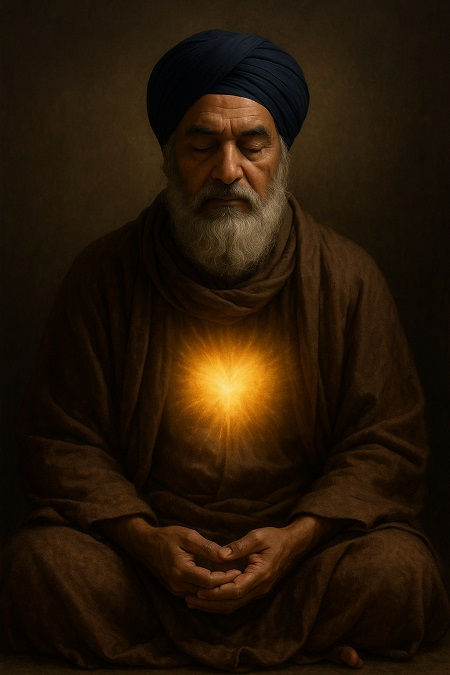
The quiet meeting place between psychology and devotion.
Every path of healing eventually turns toward love. The language may differ—one calls it the Self, another the Beloved—but both point to the same luminous center within. In Sufism and Internal Family Systems, this center is not earned or constructed; it is revealed when the noise inside us grows still.
The Nature of the Self
IFS teaches that beneath our protective parts and wounded exiles lies an unbreakable core of compassion, wisdom, and calm. It calls this essence the Self. When we are Self-led, we respond to life with clarity instead of reactivity.
Sufism describes this same inner reality in the language of the heart. The Qur’an calls it itmi’nan — tranquility of the soul that rests in God. The mystics speak of the qalb salīm, the sound heart that reflects divine light like a polished mirror. When the Sufi’s remembrance dissolves the veils of the ego, what remains is not emptiness but Presence itself — the heart as a vessel for the Beloved.
Both traditions teach that this state is not something we create; it is our natural condition when fear releases its grip.
The Heart Reflecting the Beloved
Sufi wisdom often describes the heart as a mirror that, when purified, reveals divine beauty. When protectors soften and exiles are welcomed home, the same radiance appears in IFS. We begin to feel the Self’s qualities — calm, curiosity, compassion, confidence, courage, creativity, clarity, and connectedness.
A Sufi would recognize these as reflections of the divine attributes: Rahmah (mercy), Hikmah (wisdom), Nur (light), Sabur (patience). In both paths, healing is not self-improvement; it is remembrance.
Faith as the Root of Self-Leadership
To a Sufi, leadership of the soul comes through surrender. The ego does not lead; the heart does, guided by divine will. In IFS, Self-leadership arises when the Self’s compassion naturally guides the parts instead of controlling them.
At their meeting point, we discover a paradox: surrender is not weakness but mastery. A Self-led person does not command their inner world through force; they listen deeply, and each part yields to that listening. The Sufi bows to the Beloved; the IFS practitioner bows inward to the same sacred intelligence.
When Faith Deepens the Process
Those who blend IFS with Sufi practice often find that faith amplifies healing. Prayer and remembrance create the same quiet openness that IFS calls Self-energy. Compassion for parts becomes an act of devotion. Welcoming exiles feels like welcoming lost children back into God’s mercy.
When love leads, therapy becomes sacred. When sacredness enters therapy, transformation quickens. Both paths remind us that the heart is not a battlefield to conquer but a sanctuary to tend.
God as the Ultimate Self-Energy
In IFS, the Self is not a part; it is the field that holds all parts with love. In Sufi understanding, God is that field, the encompassing reality that contains all opposites. The mystics teach that the human heart is the mirror through which the Divine knows itself.
When we are in Self, we are not acting as God; we are aligned with divine qualities already present in the soul. Self-energy becomes a way that mercy moves through us. Guidance is no longer external; it unfolds from the inside out, each part returning to its rightful trust in the Beloved.
Healing as Union
When protectors finally rest and exiles are comforted, a new stillness fills the body. The mind quiets. The heart softens. In that moment, the Self and the Beloved are not two. The seeker and the sought dissolve into the same awareness.
This is the Sufi’s union (fana’), the therapist’s integration, the moment where personal and divine love meet. What psychology calls “Self-energy,” the mystic calls “the breath of God.” Both describe the same current moving through the heart, bringing the scattered pieces of the self back into one song.
The Living Invitation
Whether you name it Self, Heart, or Beloved, this presence is always waiting beneath the noise. It does not demand belief, only willingness. When you pause, breathe, and listen inwardly, you are already remembering.
IFS gives you a map; Sufism reminds you the destination is Love.
Together they reveal that love is not the reward at the end of the healing — it is the healer.
Comments