Exiles, Soul Loss, and the Ancient Map of Wholeness (Shamanism)

Introduction
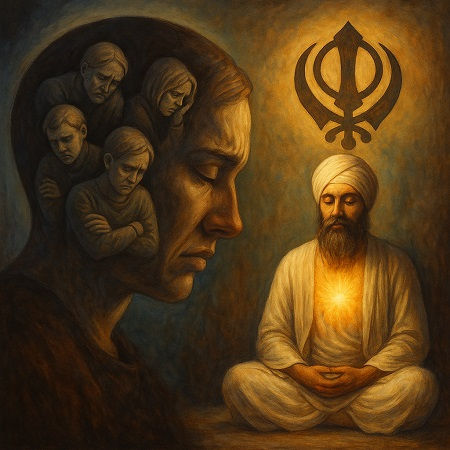
Across shamanic traditions, the deepest wound a person can carry is soul loss, the sense that a part of you went missing after trauma, grief, shock, or long-term neglect.
In IFS, the deepest wound is held by exiles, the young, vulnerable parts of you that were pushed out of daily awareness because their pain was too overwhelming to stay connected to.
These two visions of inner healing, one ancient and one modern, describe the same human truth:
Some parts of us go away in order to survive. Healing is the process of bringing them home.
This blog explores how the shamanic understanding of soul loss mirrors the IFS map of exiles, and how the two together create one of the most powerful pathways to wholeness.
Part 1: What Is Soul Loss?
In shamanic traditions around the world, soul loss occurs when:
a traumatic event overwhelms the spirit,
a part of the self retreats for protection,
emotional shock disconnects you from your vitality,
pieces of your essence break away so you can survive.
Symptoms often include:
chronic numbness,
emptiness,
dissociation,
repeating patterns,
a sense of being “not fully here,”
lack of purpose,
difficulty feeling joy,
a hollow or fragmented sense of identity.
Soul loss is a protective response, not a failure. The psyche does whatever it must to keep you alive.
Part 2: What Are Exiles in IFS?
IFS teaches that when a child experiences overwhelming fear, shame, pain, or rejection, a part of them becomes an exile.
Exiles hold:
grief,
heartbreak,
terror,
loneliness,
humiliation,
unmet needs,
memories too painful to feel.
Other parts, called protectors, push these exiles out of awareness to keep you functioning.
Sound familiar?
Shamanism calls this soul loss. IFS calls it exiling.Different language, same inner reality.
Part 3: How Soul Loss and Exiling Describe the Same Inner Process
Here’s how these maps overlap:
A part of you retreats to survive
Shamanism: a soul fragment leaves.
IFS: a young exile goes into hiding.
Life becomes harder, but safer
You survive, but you lose access to vitality, joy, and authenticity.
Other parts take over
Shamanism: survival spirits or coping energies arrive.
IFS: protectors step in to manage, numb, or distract you.
Healing is the return of what was lost
Shamanism: soul retrieval.
IFS: unburdening and welcoming the exile home.
Wholeness is restored
You're no longer fractured inside.
Your essence becomes available again.
This is why the IFS–shamanic pairing resonates so deeply for people. It speaks directly to the human experience of fragmentation, and the ancient longing to return to yourself.
Part 4: Why This Topic Resonates So Powerfully
People feel drawn to this topic because many silently wonder:
Did I lose a part of myself?
Is it possible to get it back?
Why do I feel like someone inside me went missing?
IFS and shamanic traditions both say yes, healing is possible. And both give a map for finding what was lost.
Part 5: How IFS Supports Soul Retrieval
IFS gives you a step-by-step way to repair soul loss by helping you:
find the part that went away,
understand why it left,
build trust with the protectors guarding it,
witness its original wound,
help it release its burdens,
bring it home to the inner system.
IFS accomplishes soul retrieval without forcing, journeying, or spiritual interpretation, though many people combine them beautifully.
Part 6: How Shamanic Journeying Supports IFS Exile Work
Shamanic practices provide powerful tools that enhance exile work:
imagery that reveals lost parts,
animal guides or ancestors who help protect exiles,
trance states that soften protector defenses,
symbolic rituals that mirror unburdening,
mythic storytelling that gives exiles meaning,
ceremonial witnessing that helps the psyche feel held.
A shamanic journey can lead you directly to the place where an exile is waiting. IFS helps you form a relationship with that part and guide it home.
Together, they create a healing path that is symbolic, emotional, and deeply embodied.
Part 7: What Does Soul Retrieval Look Like Through the IFS Lens?
A soul retrieval inside IFS often appears as:
A young part emerging from a dark place
A cave, a forest, a locked room, or an old memory.
IFS names this an exile.
Shamanism names it a returning soul fragment.
A protector blocking the path
Anger, fear, numbness, judgment, or panic steps forward.
IFS sees a protector.
Shamanism calls it a guardian spirit or boundary.
A ritual moment of unburdening
Fire, water, wind, or light appears symbolically.
IFS sees unburdening.
Shamanism sees purification.
A reintegration moment
The part returns to you, or blends into your heart or body.
In both traditions, this moment is sacred.
This is the essence of wholeness, not becoming someone new, but recovering who you’ve always been.
Part 8: Signs That a Soul Fragment (Exile) Is Ready to Return
You may sense readiness through:
dreams,
emotional waves,
recurring memories,
a sense of longing,
symbolic images,
internal knocking,
a sudden feeling of “something’s shifting.”
When a lost part is near, people often say:I feel like something inside me is trying to come back.
This is the beginning of restoration.
Part 9: After Soul Retrieval — What Wholeness Feels Like
People report:
increased vitality,
emotional resilience,
clarity,
deeper presence,
greater connection with Self,
softer protectors,
stable identity,
return of joy,
feeling “more myself” than ever.
Wholeness isn’t perfection, it’s reunion.
Conclusion: Two Maps, One Truth
Shamanism calls it soul loss. IFS calls it exiling.
Shamanism calls it soul retrieval. IFS calls it unburdening and integration.
Both speak to the same ancient truth: when life hurts too much, a part of you steps away; healing is the journey of welcoming it home.
This meeting of traditions doesn’t dilute either one, it enriches them. It gives us a modern, trauma-informed way to walk the ancient path of wholeness with clarity, compassion, and profound respect for the inner world.


Comments