From Zikr to Unburdening — Sufi Practices that Enrich IFS Work
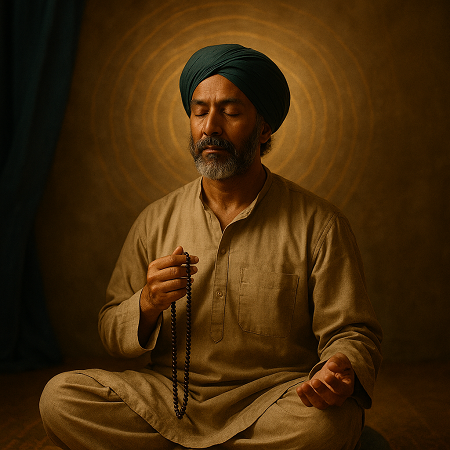
Where remembrance becomes restoration.
Healing is not only an act of insight — it is an act of rhythm, breath, and remembrance. Both Sufism and Internal Family Systems understand that transformation happens not just through understanding the mind, but through returning the whole being to presence. One calls it zikr — the remembrance of God. The other calls it Self-energy — the compassionate awareness that holds all parts with love. Both lead to the same stillness beneath the noise.
The Breath as the Bridge
In both Sufi practice and IFS, breath is the doorway home. Sufis use rhythmic breathing to quiet the mind and awaken the heart, aligning each inhale and exhale with awareness of the Divine. IFS practitioners use slow, conscious breathing to help parts relax and create space for Self to emerge.
When a protector part is tense or reactive, even a few mindful breaths can shift the atmosphere inside. The Sufi calls this softening tawakkul , trust. The therapist calls it regulation. Both describe the same surrender: a part no longer gripping control because it begins to feel held.
Zikr and the Healing of Inner Voices
Zikr — the repetition of God’s names — is one of the most beautiful mirrors of IFS practice. In Sufism, each divine name (Wazifa) awakens a specific quality of the heart:
mercy,
patience,
strength,
forgiveness, or
peace.
When chanted or whispered with devotion, the sound carries remembrance through the body until the whole being vibrates with love.
In IFS, as parts speak their pain, the Self responds not with advice but with compassion. The repetition of I’m here with you… I see you… You’re safe now becomes its own form of zikr. Over time, the mind learns that every part is worthy of mercy. The heart begins to remember what it had forgotten: that love has never left.
Try this: the next time a frightened or angry part appears, breathe gently and inwardly repeat one divine name — Al-Rahman (The Compassionate) or As-Salam (The Source of Peace). Watch what happens to that part as it is met not with logic, but with remembrance.
Whirling and the Movement of Integration
The Mevlevi dervishes whirl not to escape the world, but to realign with its center. The outer spinning mirrors the inner movement of returning to balance. In IFS, the same principle unfolds quietly, parts that once pulled in opposite directions begin to orbit around the Self.
Both dances lead to stillness. Both reveal that healing is not linear; it spirals. Each round of remembrance, each session of parts work, brings us closer to the unmoving heart at the center of the spin.
From Zikr to Unburdening
In IFS, unburdening means releasing old beliefs and emotions that no longer serve the soul. In Sufism, the parallel practice is tazkiyah an-nafs — the purification of the self. Both are acts of release, not rejection. The Sufi releases through
tears,
prayer, or
chanting until the heart feels light.
The IFS practitioner releases through
witnessing,
compassion, and
symbolic letting go, fire, water, wind, or light.
When seen together, these are not two systems but two languages describing one sacred process: the heart remembering its original innocence.
Integrating the Practices
You can blend these paths naturally. Before an IFS session or inner reflection, begin with a few minutes of zikr or conscious breath, something that turns the attention toward stillness. Then invite the parts that arise to speak. As you listen, let one of God’s names guide your response. When the part begins to soften, notice if the same calm that follows prayer is present.
This is Self-energy made visible. This is remembrance becoming therapy.
The Soul’s Practical Alchemy
Blending Sufi practice with IFS does not require changing belief or culture; it simply weaves sacred rhythm into psychological healing. When you breathe, chant, or move in remembrance, you are not escaping your pain — you are sanctifying it. Each word of zikr becomes a hand extended to a part that once felt abandoned. Each unburdening becomes an act of devotion.
In both paths, you learn the same truth: love is not found through effort, but through remembrance. Healing begins the moment you remember who is breathing you.
Comments