Zikr and Self Energy: The Role of Remembrance in IFS Healing (Sufi)
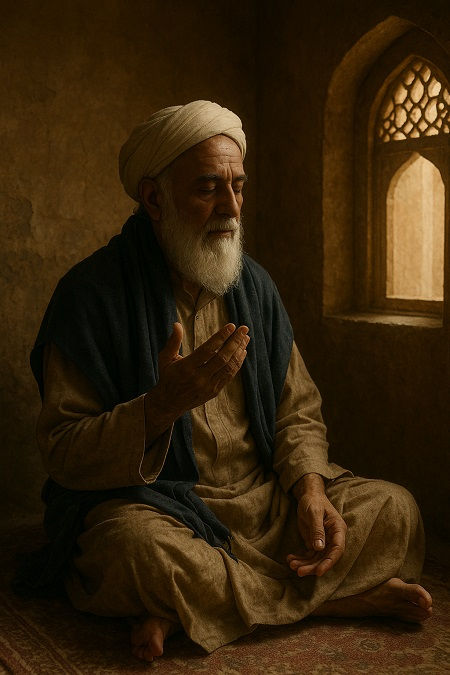
Zikr is the soft beating heart of Sufi devotion.
A returning.
A remembering.
A rhythmic clearing of the inner world until nothing remains but awareness of the Beloved.
IFS meets zikr not as a replacement for devotion, but as a way of preparing the inner landscape so remembrance becomes easier, deeper, and more sincere.
Many seekers notice that when they sit for zikr, something inside tightens.
A fear
.A distraction.
A sadness.
A restless thought.
A part that feels unworthy.
A part that feels overwhelmed by longing.
In IFS, these are not seen as obstacles to worship. They are guests that arise asking to be acknowledged before the heart can fully return to God.
The practice becomes sacred when we pause and listen.
When a part fears closeness with the Divine, we meet it with compassion.
When a part carries old grief that interrupts zikr, we hold it gently.
When a part feels ashamed or distant, we sit beside it with patience.
This softens the inner world.
And as the parts feel seen rather than pushed away,
the heart opens naturally.
The breath deepens.
The remembrance becomes more spacious.
The presence of Self, calm, compassionate, clear, begins to lead the inner gathering.
Self energy mirrors the spiritual state Sufis call presence, or hudur,a quiet steadiness, a warm awareness, a heart softened toward all that arises.
In this place, zikr is no longer a struggle against distraction. It becomes a full hearted joining of breath, remembrance, and inner harmony.
Some seekers use IFS before zikr,
to check in with parts,
to release burdens,
to clear emotional fog.
Others bring Self energy directly into their zikr practice
letting Self hold the rhythm,
letting compassion carry the breath,
letting gentleness steady the heart.
Both paths lead to the same opening.
IFS becomes a way of polishing the mirror, and zikr becomes the light that shines upon it.
Together, they allow the heart to remember with less effort and more truth,a remembrance rooted not in force, but in love.
Comments